
Positive Tails’ HQHVSN Training Initiative
New York City doesn’t have enough accessible spay/neuter care. Appointments are hard to come by, affordable options are scarce, and no single clinic or nonprofit can close that gap alone.
Positive Tails is launching a new initiative designed to address the problem at its source: by training more veterinarians to provide high-quality spay/neuter surgery safely and efficiently.
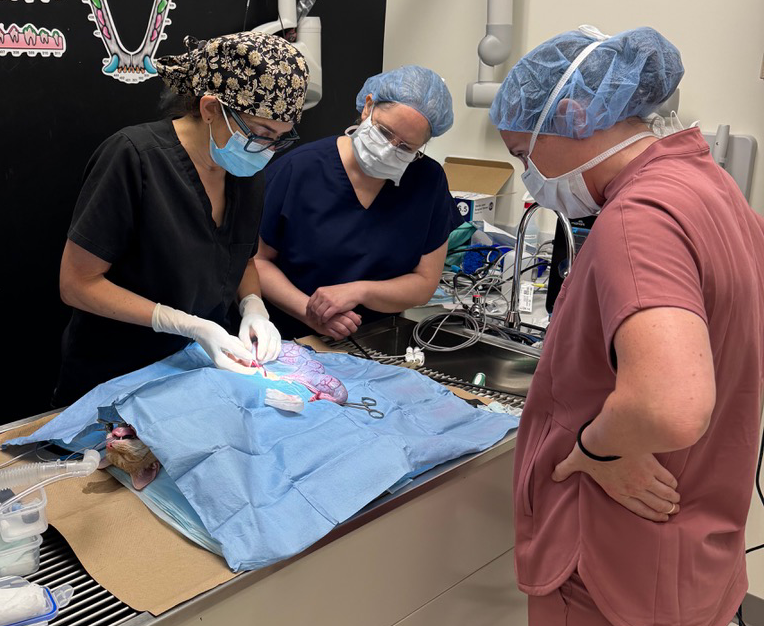
Through a series of local, hands-on High-Quality, High-Volume Spay/Neuter trainings, experienced instructors work directly with small groups of veterinarians. Dogs and cats from New York City communities receive free surgery and related care during each session, but the larger purpose of the program extends beyond a single training day. The real goal is to plant skills across the city’s veterinary community.
Veterinarians who participate can bring what they have learned back to their own practices, incorporate more spay/neuter surgery into their work and help make appointments available to more animals. We also hope they will pay that experience forward, by participating in community surgery programs and helping to broaden access to care.
One training may serve several dozen animals that day. One veterinarian who continues using and sharing those skills can help hundreds or even thousands more over the course of their career.
What Is HQHVSN?
High-Quality, High-Volume Spay/Neuter, or HQHVSN, is a model of veterinary care that combines skilled surgical techniques with well-organized systems for patient preparation, anesthesia, surgery and recovery.
High volume does not mean rushing animals through surgery or compromising their care. It means developing safe, repeatable and efficient techniques that allow veterinary teams to provide excellent care to more animals.
These skills are useful in many settings, including private veterinary practices, nonprofit clinics, shelters and community medicine programs. A veterinarian does not need to work in a dedicated high-volume clinic to make a difference. Adding even a few more surgeries to a practice’s schedule each week can increase the number of appointments available in the community.
Building a Training Network in New York City
Veterinarians seeking hands-on HQHVSN training have often had to travel outside New York, navigate temporary licensing requirements and take significant time away from their practices.
We’re working to change that by bringing this training directly to New York City.
Our goal is not to hold a single course or operate a temporary campaign. We are building the foundation for an ongoing local training program that connects experienced instructors, veterinarians, technicians, hospitals, animal welfare organizations and community partners.
Each session requires months of preparation. Positive Tails coordinates the instructors, training facility, veterinary support team, medical supplies, equipment, participating animals, transportation, records and follow-up care.
We are also working to develop a growing community of trained veterinary professionals who can continue supporting one another to help expand access to surgery through their own practices and through future community programs.
Our First NYC Training
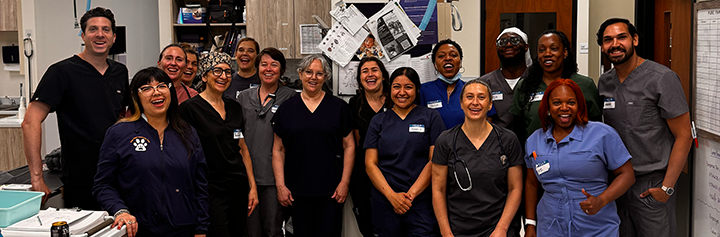
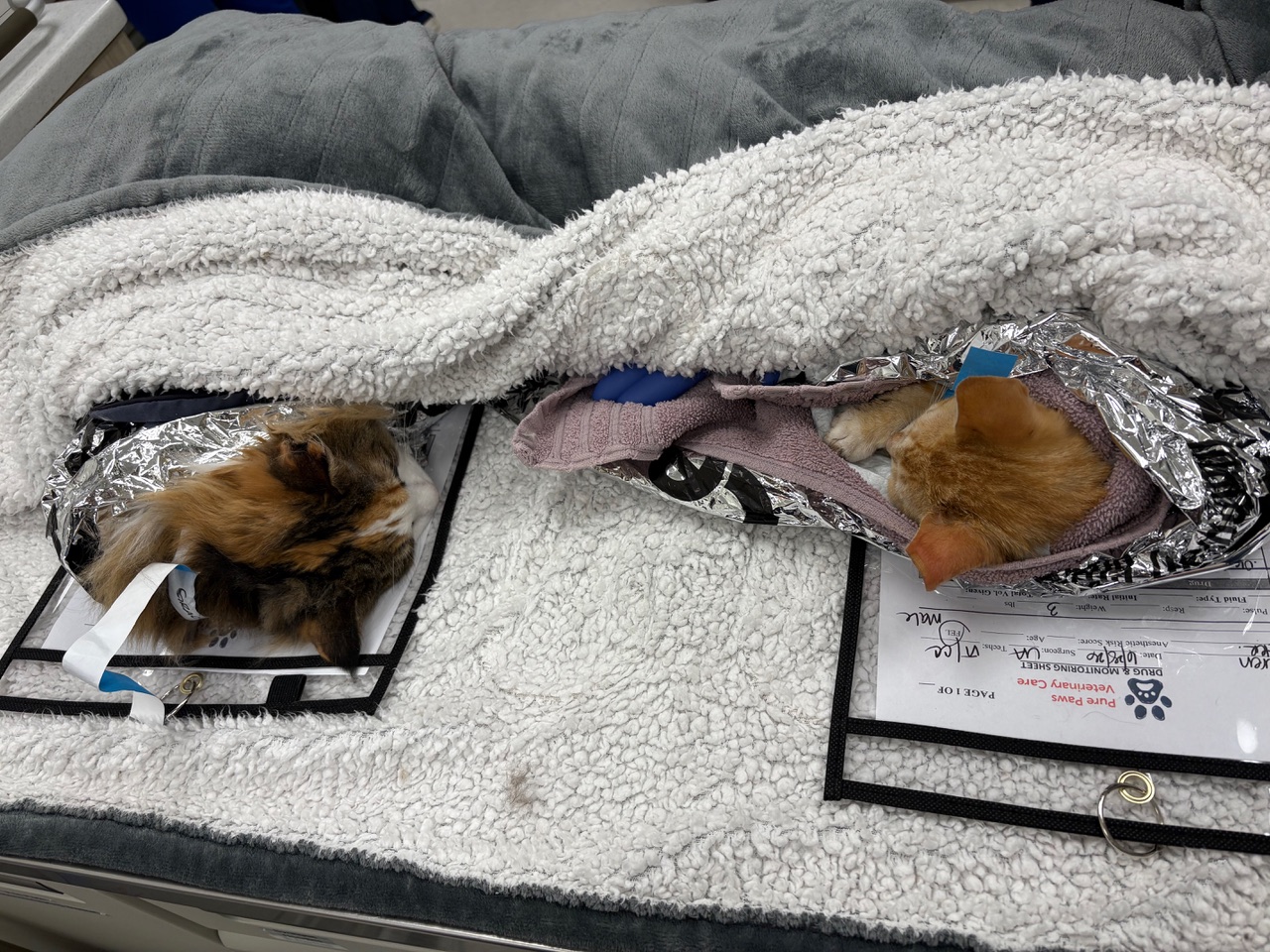
We held our first training on June 28, 2026: a United Spay Alliance HQHVSN wet lab hosted by Pure Paws Veterinary Care in Manhattan, put together with United Spay Alliance and Bronx Community Cats. Four vets spent the day working side by side with experienced HQHVSN instructors, and by the end of it, twenty-five cats had been spayed or neutered, vaccinated, microchipped, and sent home with post-op care — all free of charge.
That’s the short-term win. The longer one is that four more vets in this city now have skills they didn’t have before, and they’ll be using them for years. We’re already lining up the next training, with an eye toward bringing in more vets and turning this into something durable.
Get Involved
Creating a meaningful increase in New York City’s spay/neuter capacity will require participation from across the veterinary and animal welfare communities.
There are several ways to become part of the initiative.
Veterinarians: Participate in a Training
Our wet labs are designed for licensed veterinarians who want to strengthen their surgical skills, improve their efficiency and gain practical experience with HQHVSN techniques under the direct supervision of experienced instructors.
Participating veterinarians may work in private practice, shelter medicine, nonprofit clinics or community veterinary programs. Course focus and experience requirements may vary, with some trainings centered on particular procedures, species or skill levels.
The courses combine instruction with closely supervised, hands-on surgical experience. Because of the intensive format, enrollment is intentionally limited to a small number of veterinarians.
Continuing education credit will be available for eligible trainings. The number of CE credit hours, approval information, licensing requirements and other course details will be included with each training announcement.
We are particularly interested in working with veterinarians who want to carry these skills forward—whether by increasing the number of surgeries performed in their own practices, volunteering with community programs, supporting future training days or sharing what they have learned with colleagues.
Veterinarians who join our interest list will receive information about upcoming dates, course content, eligibility, CE credits, costs and registration as new sessions are announced.
Veterinary Technicians and Assistants
A successful HQHVSN program depends on an experienced and well-coordinated veterinary support team.
We welcome interest from licensed veterinary technicians, veterinary assistants and other qualified medical volunteers who can assist with patient preparation, anesthesia, surgical support, recovery, medical records and patient flow.
These training days are also an opportunity for veterinary support professionals to gain experience with the systems and protocols that make high-quality, efficient surgery possible.
By participating, technicians and assistants can help care for the animals treated that day while also becoming part of a growing network of veterinary professionals working to expand access throughout the city. Once technicians are trained, they can utilize this knowledge in their own hospitals, or through us, with paid positions to train new participants.
Veterinary Hospitals and Community Partners
Positive Tails is looking for veterinary hospitals interested in hosting future training sessions, as well as animal welfare organizations and community groups that can help identify animals in need of surgery, coordinate transportation or support post-operative recovery.
We are also interested in connecting with practices that would like to become more involved in community spay/neuter work after members of their team complete the training.
The scale of New York City’s spay/neuter shortage means that no organization can solve it independently. This initiative is intended to bring together the hospitals, instructors, technicians, veterinarians, community cat groups, rescuers, volunteers and funders needed to create a stronger local system.
Donors: Help Seed a Lasting Solution
A contribution to this initiative supports both immediate veterinary care and long-term change.
Donations help cover:
- Experienced HQHVSN instructors
- Veterinary technicians and assistants
- Surgical and anesthesia supplies
- Medications and patient care
- Training equipment
- Transportation
- Medical records
- Post-operative and follow-up care
- Continuing education and program administration
Funding also allows Positive Tails to provide surgery at no cost to the families, rescuers and community cat caretakers whose animals participate in the training.
The return on that investment does not end when the training day is over.
Each veterinarian who completes the program can bring new skills and greater surgical capacity back to a hospital, clinic or community program. As more veterinarians participate—and as they use, share and pay those skills forward—the impact can continue to grow throughout New York City.
Let’s Build What New York City Needs
New York City’s shortage of accessible spay/neuter services did not develop overnight, and it will not be resolved by a single clinic, training day or temporary campaign. It will take sustained investment in the people who provide the care.
Positive Tails is helping to create a new pipeline of local expertise: veterinarians who can perform more surgeries, veterinary teams that can work more efficiently, practices that can contribute additional capacity and experienced professionals who can pass their knowledge on to others.
Veterinarians, veterinary teams, hospitals, volunteers, community organizations and supporters all have a role to play.